Aircraft components (wings, fuselage, fastener holes).
Eddy Current Testing (ET)
Fast, non-contact inspection of conductive materials for surface and subsurface defects
INTRODUCTION
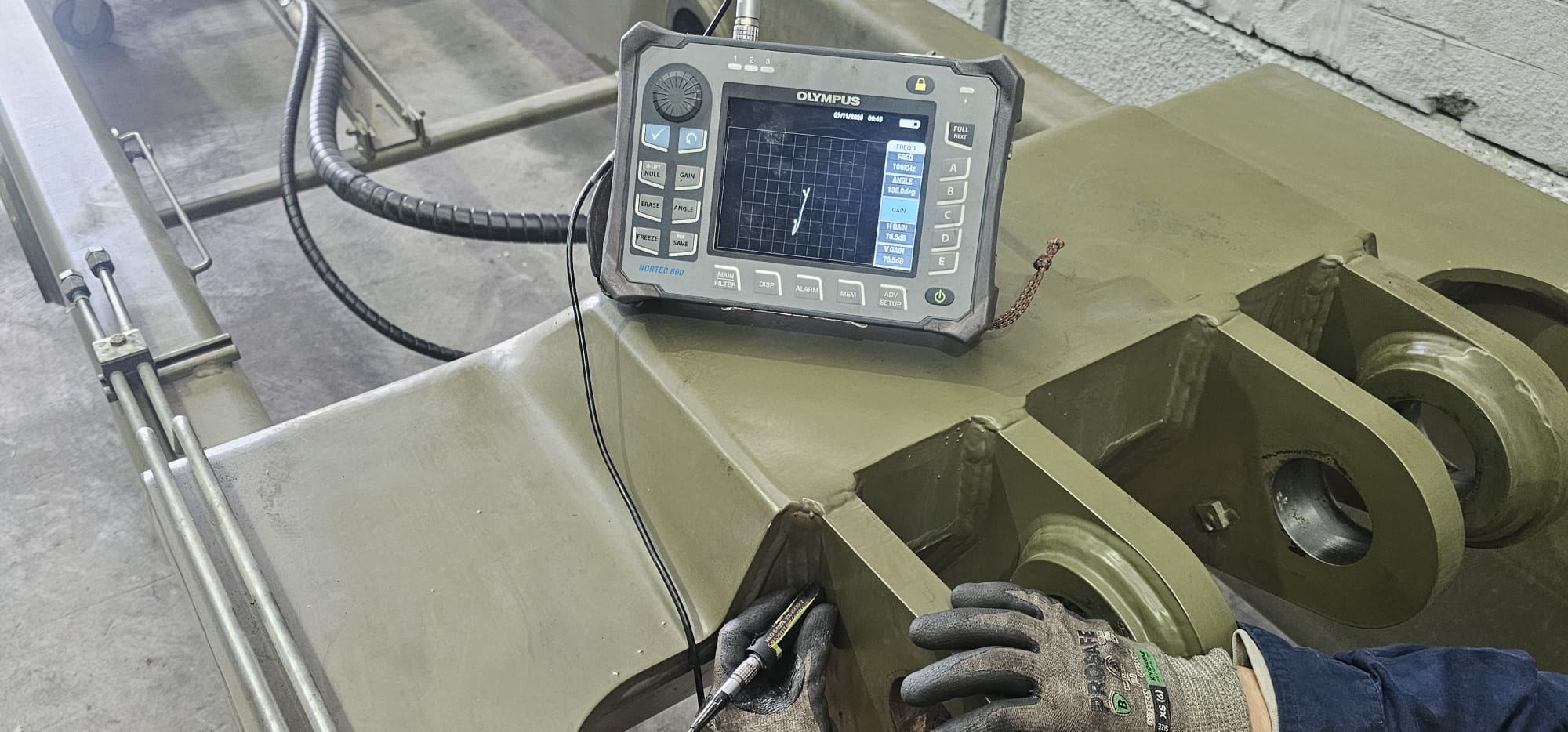
Eddy Current Testing (ET) is a non-destructive inspection method that uses electromagnetic induction to detect surface and near-surface defects in conductive materials. It’s ideal for identifying cracks, corrosion, and variations in material thickness without the need for direct contact or couplants.
This versatile method is widely used in industries such as aerospace, power generation, and manufacturing — providing precise, real-time results while maintaining component integrity.
How Eddy Current Testing (ET) Works? |
Eddy Current Testing works by passing an alternating current through a coil, creating a changing magnetic field. When the coil is placed near a conductive surface, eddy currents are induced in the material. Any discontinuity (such as a crack or corrosion) disturbs these currents, causing measurable changes in the coil’s impedance — which are displayed as signals for interpretation by the inspector.
Applications of Eddy Current Testing (ET)
Eddy Current Testing is highly adaptable and effective across industries that rely on conductive materials.
It’s used for both surface and near-surface flaw detection, as well as material characterisation and corrosion assessment. The technique offers rapid, contact-free inspections, making it ideal for areas that are difficult to access or require high precision.
Typical Applications Include:
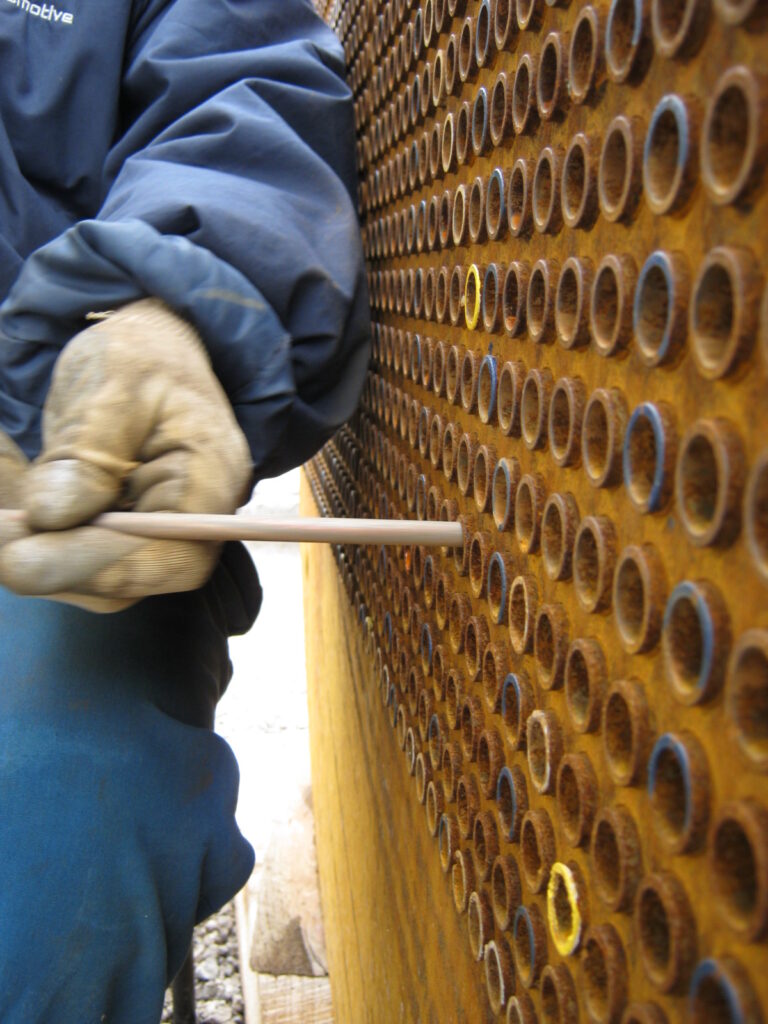
Heat exchanger tubes and condensers.
Stainless steel and aluminium structures.
Weld inspection in pipelines and pressure vessels.
Advantages of ET
Eddy Current Testing (ET) offers a range of benefits that make it a preferred method for inspecting conductive materials. It provides rapid, accurate, and repeatable results without requiring surface preparation or contact fluids. The technique is highly effective for detecting cracks, corrosion, and material thinning — especially in areas where other methods may be difficult to apply. Its versatility, portability, and ability to deliver immediate results make ET ideal for both on-site and in-service inspections across multiple industries.
Types of ET Methods We Use
At Lateral Wave Pty Ltd, we employ both absolute and differential eddy current methods to provide accurate, reliable, and efficient defect detection across various applications.
Absolute Eddy Current Method
Provides direct measurement of conductivity and defect size in non-ferromagnetic materials.
Differential Eddy Current Method
Ideal for detecting small flaws and variations between two points on a component.
Why Choose Lateral Wave Pty Ltd for ET?

Our inspectors are certified in ET to Australian and international standards, ensuring reliability and precision.

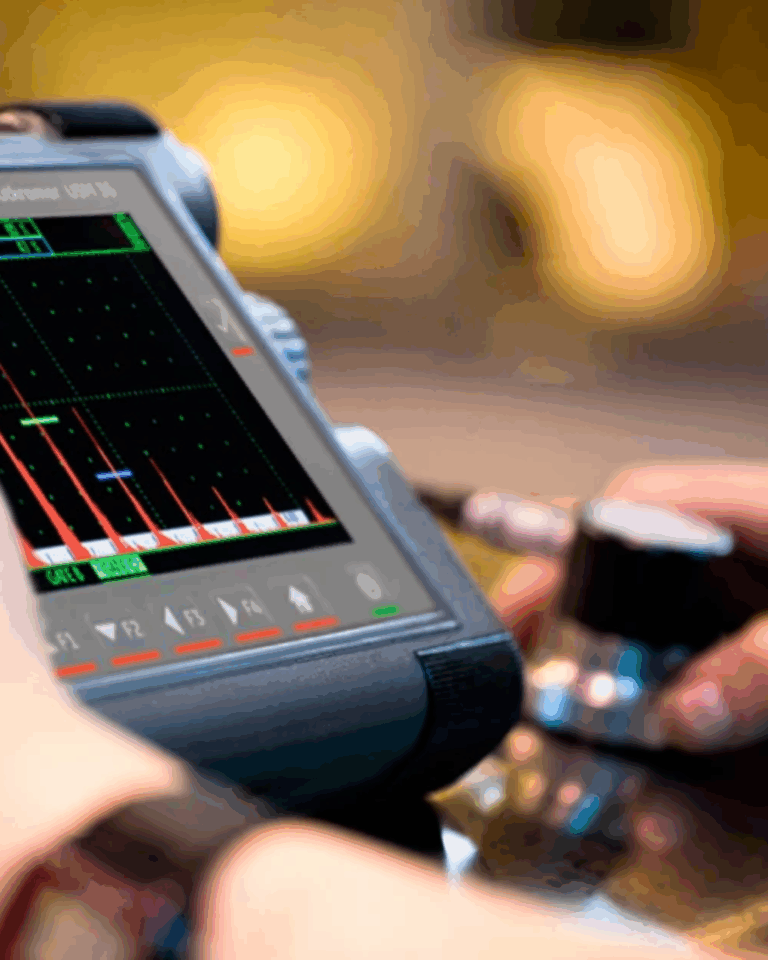
We use modern, digital eddy current equipment that delivers real-time, traceable data for accurate evaluations.

Our team provides on-site and workshop inspections tailored to your industry needs.

Detailed reports with photographic evidence and repair recommendations

24/7 service availability ensures minimal downtime for your operations.
Certified, precise, and efficient eddy current inspections
Request an Inspection
Ensure the quality and reliability of your assets with Eddy Current Testing (ET) by Lateral Wave Pty Ltd. Contact our expert team today to schedule your inspection or request a quote.
Call us at (04) 2030 3358 or email info@lateralwave.com.au to schedule your inspection or request a detailed quote.